
 FARM SOURCED · EVIDENCE EXPLAINED
 Ready for your basketSave ₹198Shop 500 ml
Farm sourced · Pesticide free · Made with carePesticide-free food
Pesticide-free food
for the people you love.
Bring home clean, wholesome dals, rice, atta, spices, oils, ghee and dry fruits—farm-sourced for the everyday meals your family loves.
Everyday goodnessPure, wholesome everyday food your family will happily come back to.
The Zaivik promisePesticide-free food, thoughtfully sourced for cleaner family meals.
From farm sourcing to the final pack, Zaivik makes choosing cleaner everyday food simple.
Start with two Zaivik favourites
Everyday goodness for the people you love.
Start with A2 cow bilona ghee and cold-pressed black mustard oil—two easy ways to bring pesticide-free food into everyday cooking.
Shop all productsReady for your basketSave ₹198Shop 500 ml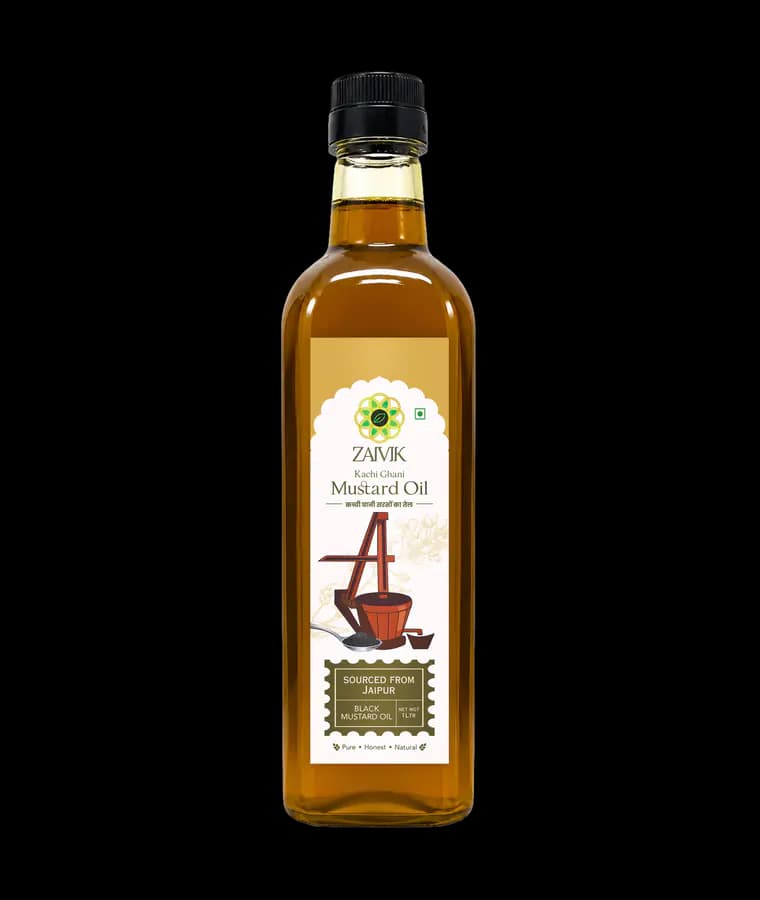 Ready for your basketSave ₹62Shop 1000 ml
Farm sourcedChosen from trusted farming communities
Pesticide-free foodCleaner staples for everyday family meals
Carefully packedClear pack sizes and dependable quality
Traceable journeyKnow more about the food you bring home
Dals & PulsesGrains, Flours, Dalia & RiceCold-Pressed & Virgin OilsEveryday Spices & SeedsWhole Spices & CondimentsSweeteners & PantryDry FruitsBilona Ghee
Choose what your family loves
Explore all products Pesticide-free staples for every kitchen.
Cook with the dals, grains, oils, ghee and spices you already enjoy—farm-sourced and made for clean everyday meals.
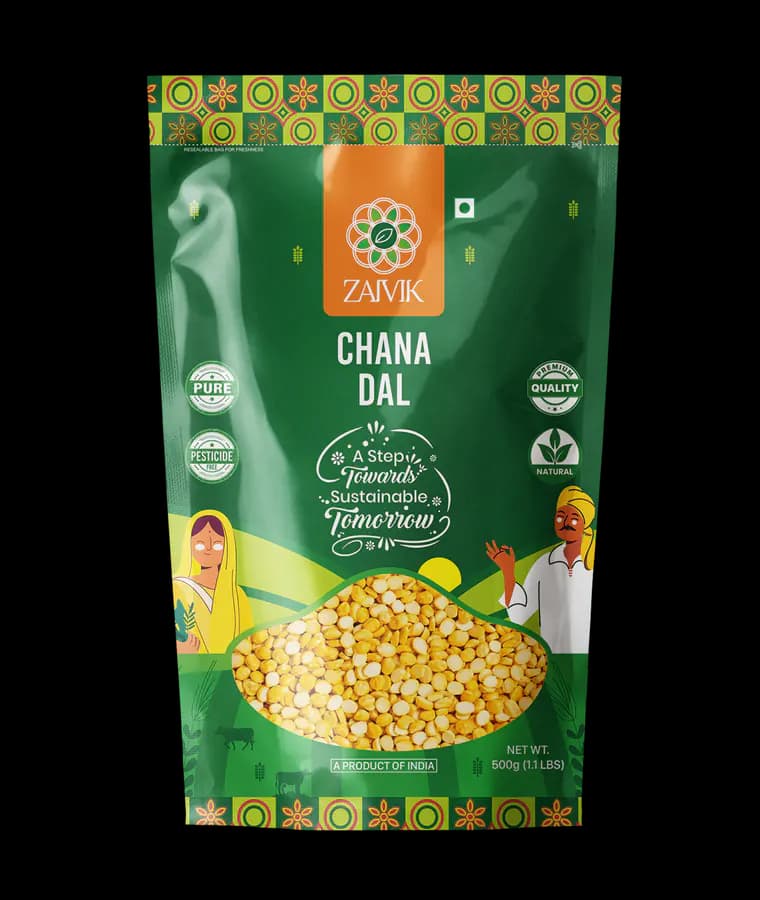
20 products01
Dals & Pulses
Explore category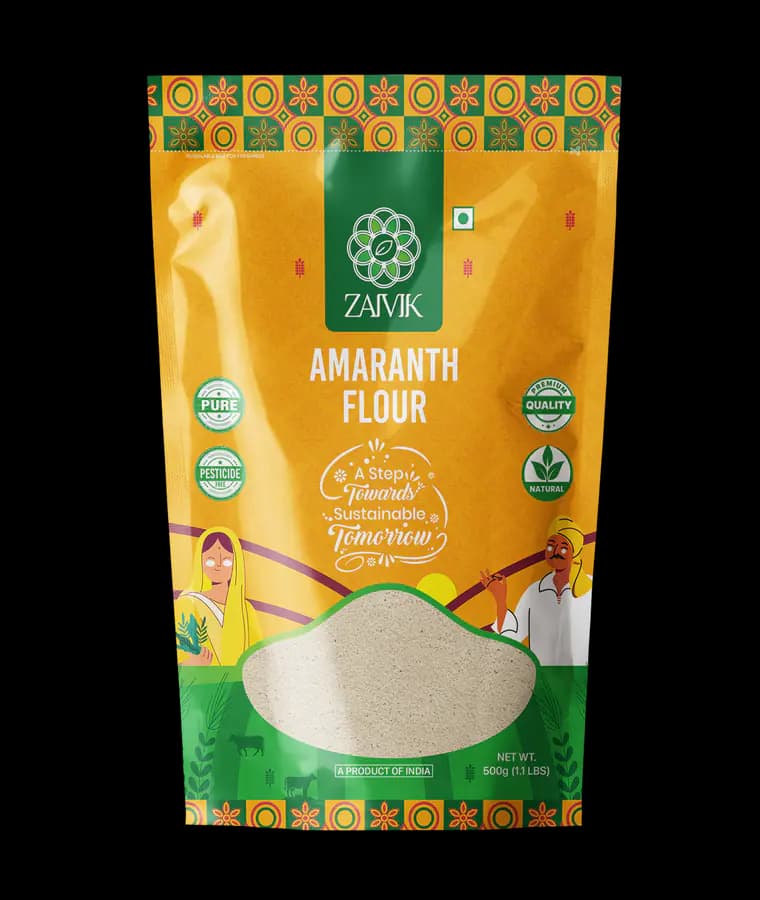
49 products02
Grains, Flours, Dalia & Rice
Explore category7 products03
Cold-Pressed & Virgin Oils
Explore category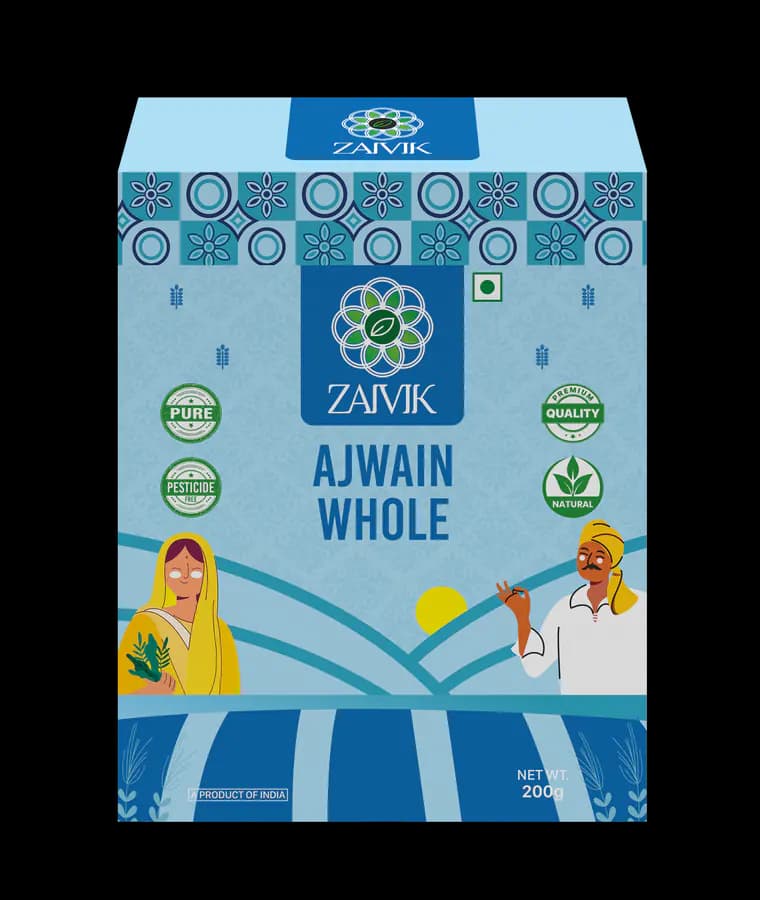
20 products04
Everyday Spices & Seeds
Explore category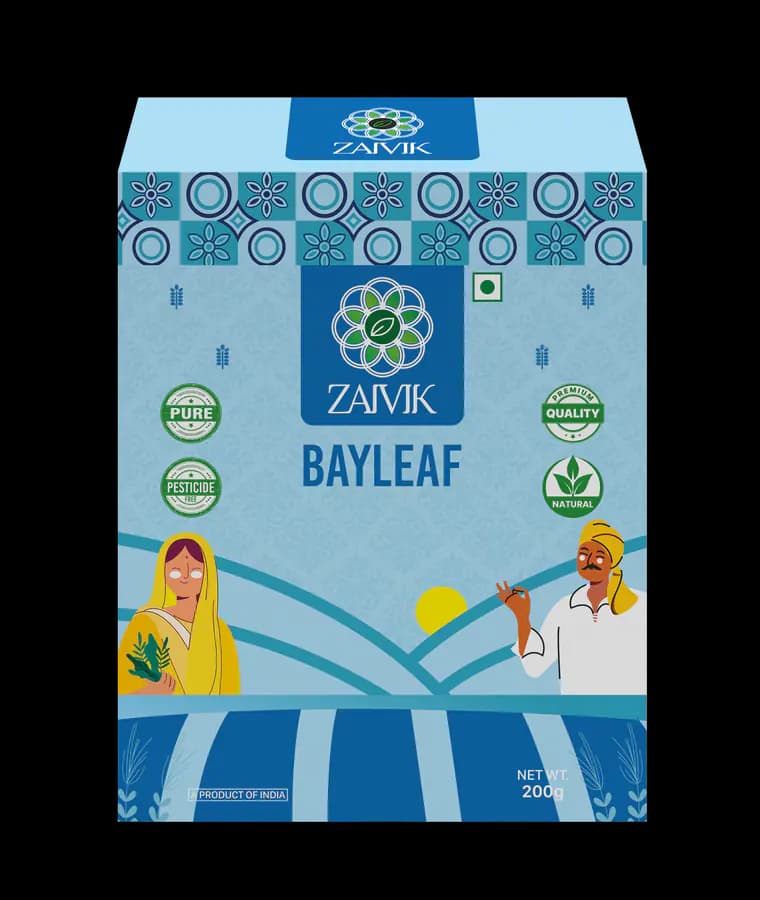
16 products05
Whole Spices & Condiments
Explore category
5 products06
Sweeteners & Pantry
Explore category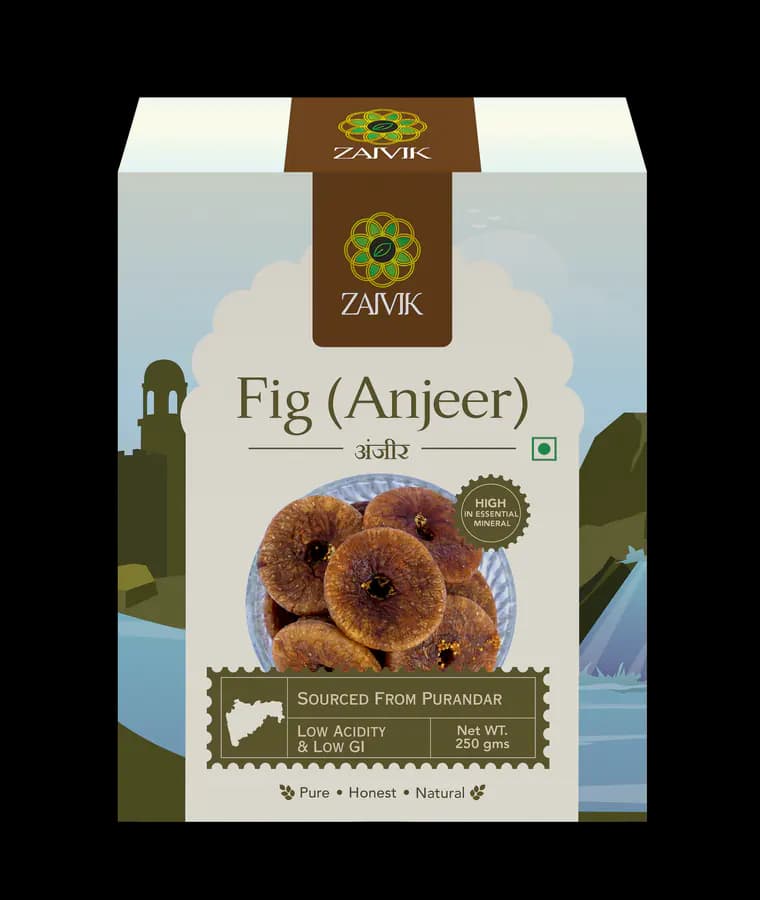
6 products07
Dry Fruits
Explore category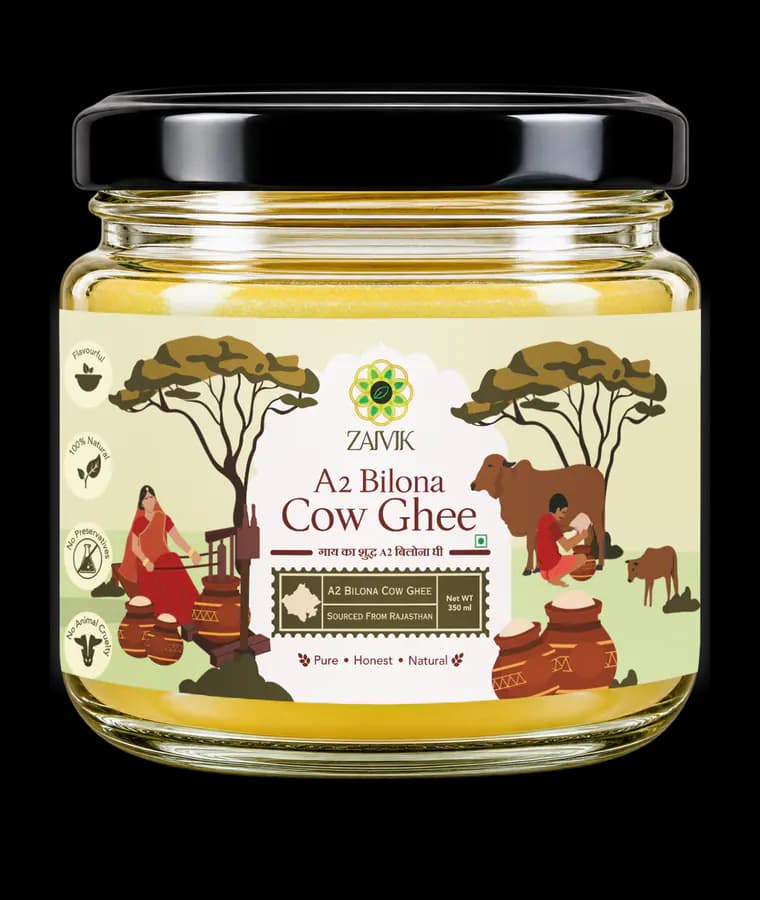
3 products08
Bilona Ghee
Explore categoryPesticide-free pantry favourites
Shop the full range Cleaner staples for every meal.
Familiar flavours, farm-sourced ingredients and easy choices for your family table.
Ready for your basketSave ₹32Shop 500 gReady for your basketSave ₹5Shop 500 gReady for your basketSave ₹62Shop 1000 mlReady for your basketSave ₹28Shop 200 gReady for your basketSave ₹27Shop 200 gReady for your basketSave ₹129Shop 250 gReady for your basketSave ₹187Shop 350 ml Ready for your basketSave ₹22Shop 500 g
 Ready for your basketSave ₹6Shop 500 g
 Ready for your basketSave ₹73Shop 1000 ml
 Ready for your basketSave ₹27Shop 200 g
 Ready for your basketSave ₹99Shop 100 g
Confidence from farm to table
Pesticide-free food, made simple.
Zaivik brings farm sourcing, thoughtful selection and clear product information together—so choosing cleaner food feels easy every day.
FarmCheckTable
Follow our farm-to-table process 0103
01Live today
Source and lot recorded
Approved suppliers, receiving records and pack details create a traceable beginning for the food you bring home.
02Pilot to scale
Practice and sampling standards
Farm-practice and sampling systems are labelled clearly while they move from review into wider use.
03Specific to each product
Evidence shared with limits
Every released result stays connected to its identified sample, panel, method, threshold and date.
Turn concern into clarity
Explore healthy reads Understand residues, labels, tests and food journeys.
Start here · Pesticide residues01
Pesticide residues in food: a practical guide for Indian families
Pesticide residue is a measurable amount of a pesticide-related substance remaining in or on food. Its meaning depends on the compound, level, food, exposure and applicable limit—not on fear or appearance alone.
Read moreLabels, decoded02
Organic, natural, pesticide-free, residue-free: what changes?
Four familiar words describe four different things. Here is a calm way to separate farming practice, certification, testing and marketing.
Read morePractical guide03
How to read a food lab report without being a scientist
Start with the sample, method, result and limit. Those four fields tell you far more than a green tick on a pack.
Read more